

THERE'S A LOT OUT THERE
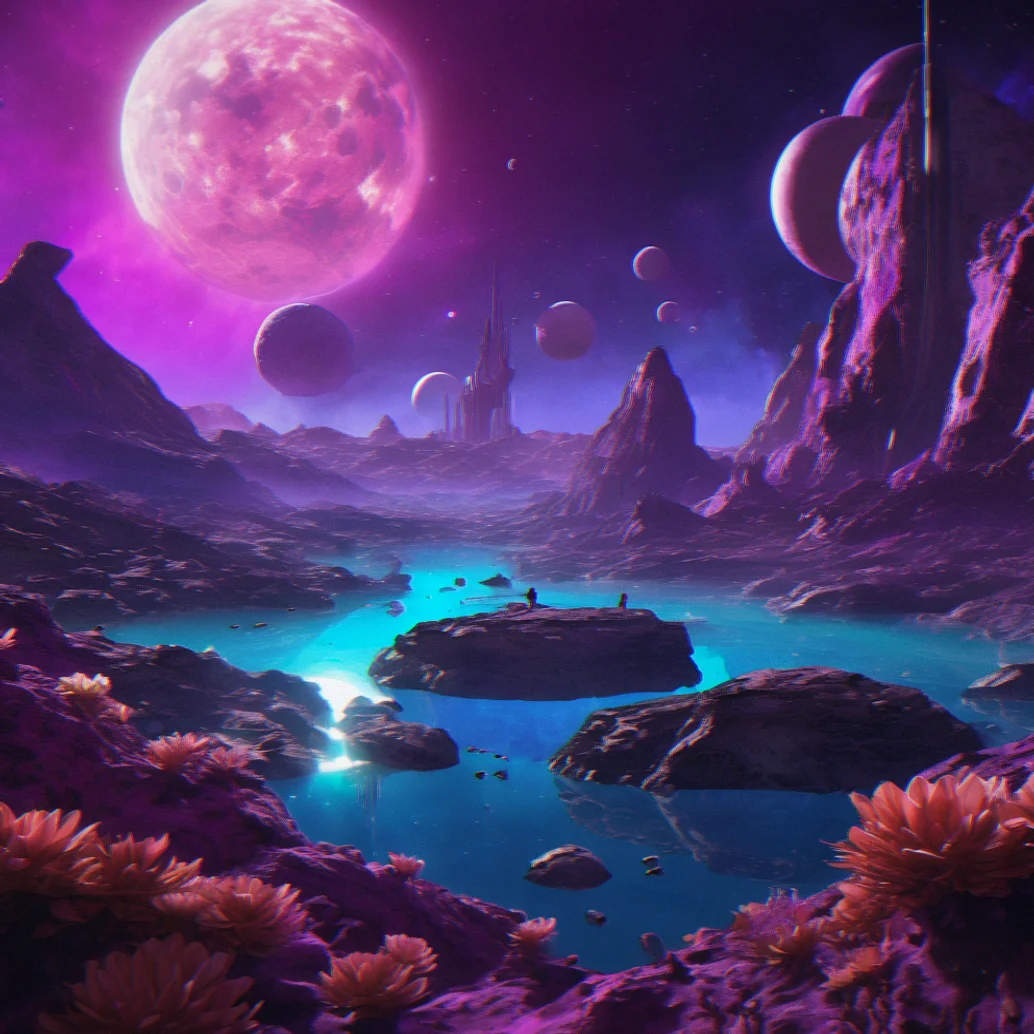
Find worlds no one's seen
Billions of planets generated just for you. Pick one and go.
You land somewhere unmapped and things get interesting fast. There are resources to pull out of the ground, structures to pick through, and new upgrades waiting if you dig deep enough. Silverorbit doesn't give you a to-do list. You get a scanner, a ship, and the ability to make that ship better every time you explore. It compounds: better hull means longer range. Longer range opens up new resource types. New resources unlock things you couldn't do before. This cycle keeps going across systems you'll spend months uncovering.
Titanium clusters. Strange compounds. Quantum catalysts. Each materiak tier opens doors that were locked before.
Why You'll Keep Playing Silverorbit
The stuff that actually matters.
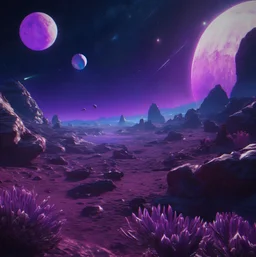
Every Planet Is Different
With billions of worlds out there, each one generates its own terrain, weather, and resource spots. You can't just memorize what a place looks like and move on. Landing on planet 80 feels as fresh as your first one.
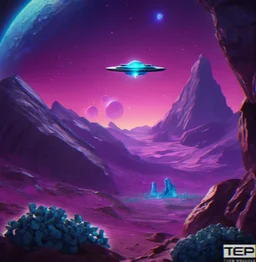
Resources Gate Your Progress
Start with common minerals to fund basic upgrades. Mid-tier compounds unlock access to harsher planets. The rare stuff? That's what separates someone stuck on starter worlds from someone who can actually explore. Each tier opens doors the previous one couldn't.
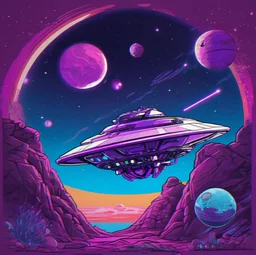
Upgrades Change What You Can Do
Stronger hull means you land on acidic worlds. Better fuel cuts jump times roughly in half. New scanners show resources your starter equipment couldn't detect. Every single upgrade makes your ship do something it couldn't before.

The Loop Gets Better as You Go
Land, scan, harvest, refine, upgrade. Repeat. But as you repeat it, your ship gets stronger and can reach places it couldn't before. After 40 hours you're visiting a handful of different planetary types. By a hundred hours in, you've hit over a dozen. The pace doesn't slow—it picks up because you're unlocking more of the map with each run.
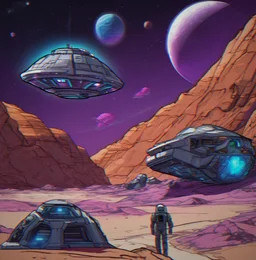
Combat Is Optional
Weapons are there if you want them. Most people don't bother. You can sneak past the alien life or just ignore it and go about your business. The game doesn't force you into fights.
Your Progress Stays With You
Ship upgrades, discovered systems, resources sitting in storage—none of it vanishes. Take a break for a month, come back, and everything's still there waiting. No resets.
The Exploration System
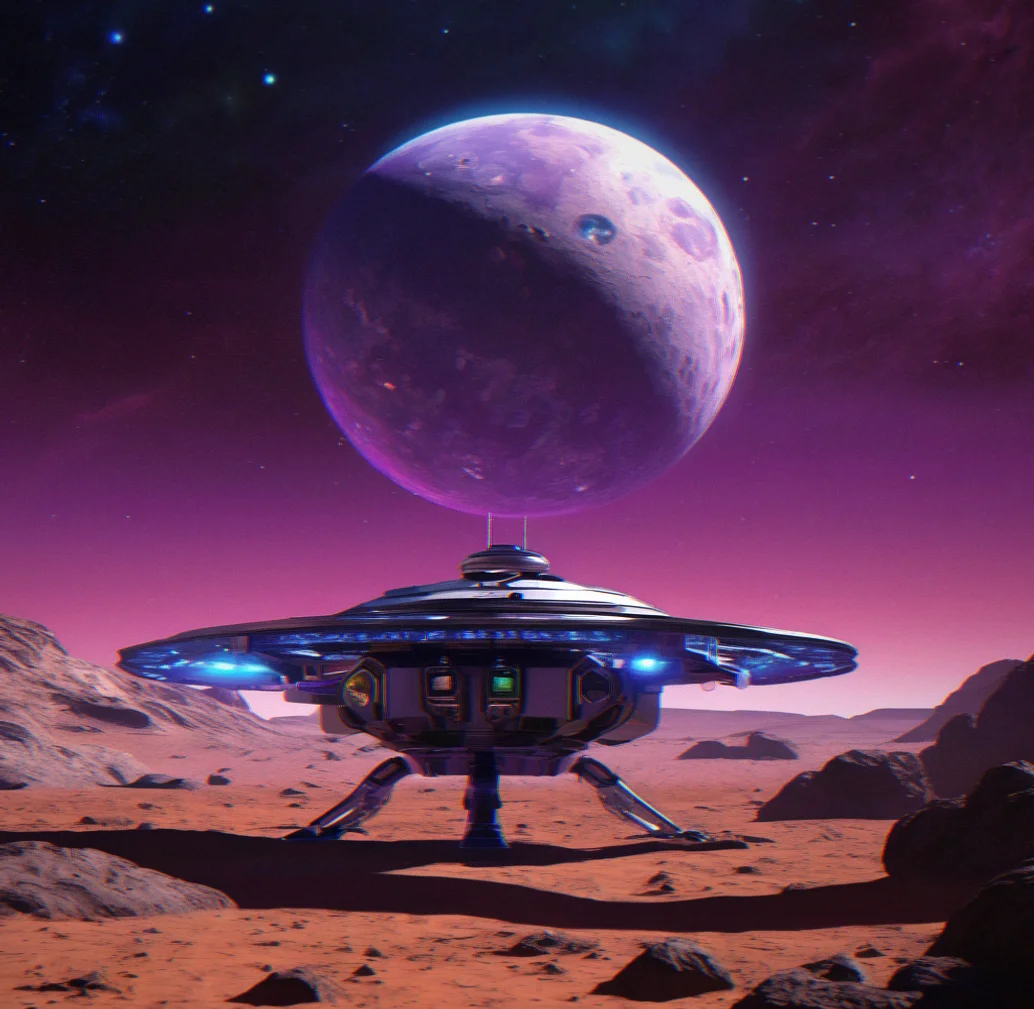
Your Starting Point: The Prospect-Class Hauler
You get a cargo hold that fits just under 200 units. Scan range of about 2.4 kilometers. Can touch down on rocky planets and ice worlds—nothing else. Honestly you'll want something better within a workday or so, but it's solid enough to grab your first real haul and figure out how the upgrade system actually works.
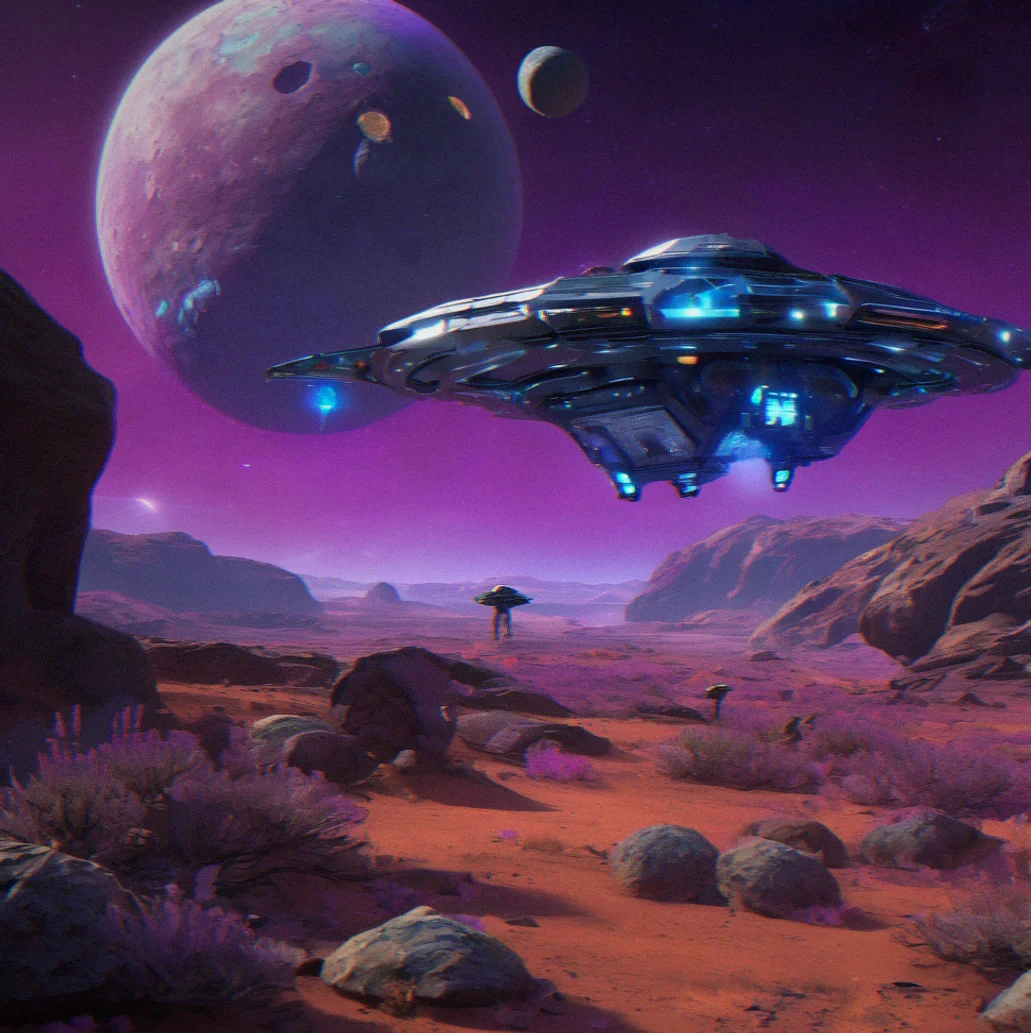
Scanning Systems: What You're Actually Looking For
Your scanner picks up heat signatures, mineral deposits, artificial structures. You need to learn what you're seeing — a thermal spike could mean something rare and valuable, or it could mean you're about to walk into something your current gear can't handle. It matters because stuff doesn't respawn infinitely and there's only so much time in a session.
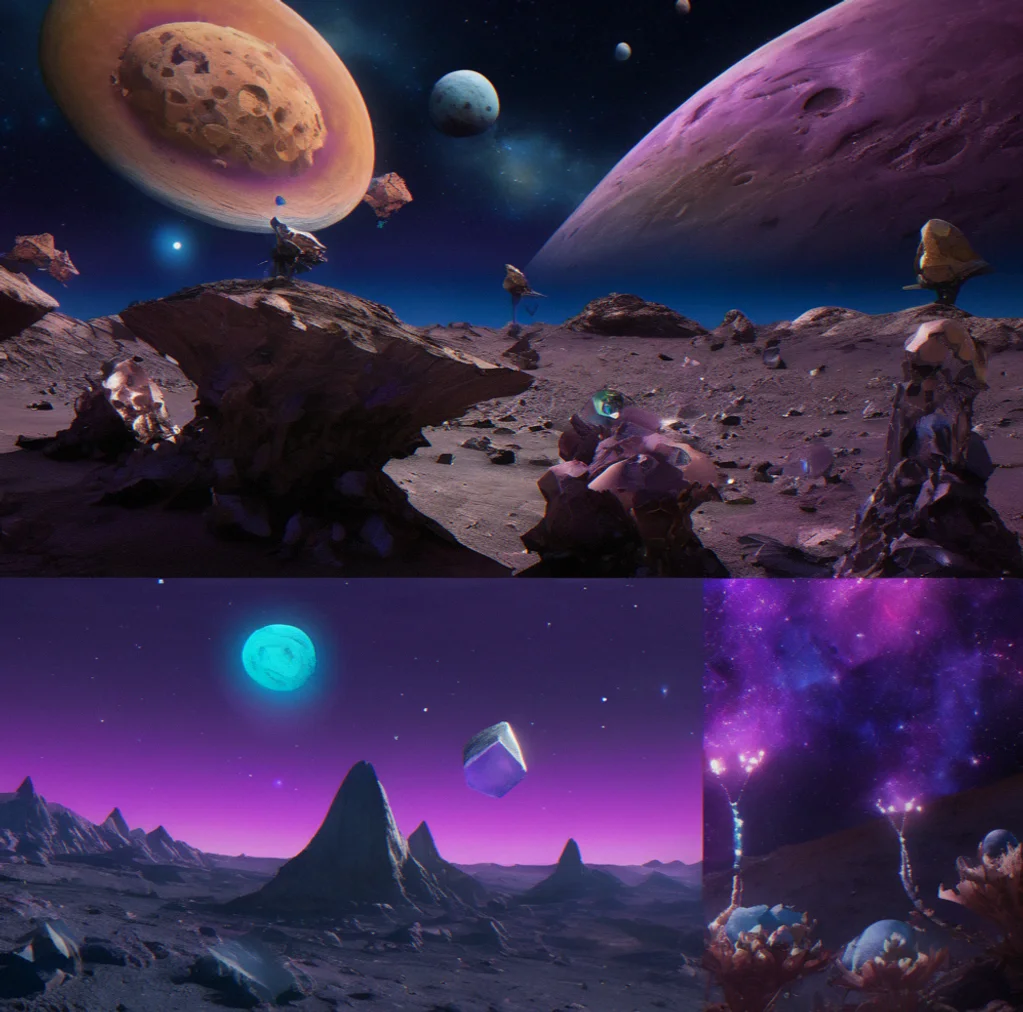
Common Tier Resources: Copper, Iron, Silica
You'll find these everywhere on beginner planets — individually they're basically worthless, but the volume is what matters. Grab around 300 Copper and you can fund your first cargo expansion. This is what keeps you moving forward in those early hours, the stuff you grind through while you're learning.
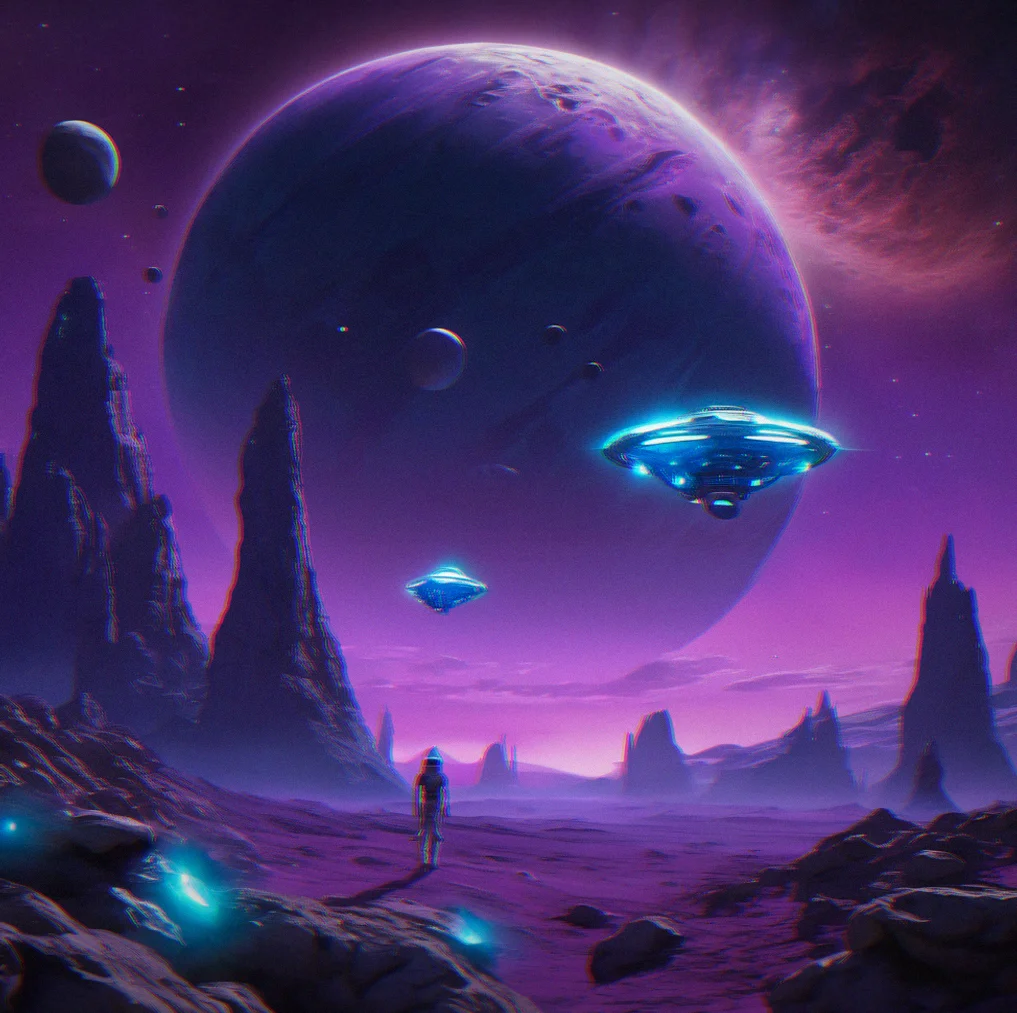
Mid-Tier Compounds: Where Progression Accelerates
Titanium, Lithium, Exotic Compound-Class-A. You need protective gear or the guts to land on unfriendly worlds to get these, but they turn into hull upgrades that actually matter. Suddenly you can breathe acidic air. Survive temperatures that would've killed you before. Each one you unlock opens up new parts of the map.
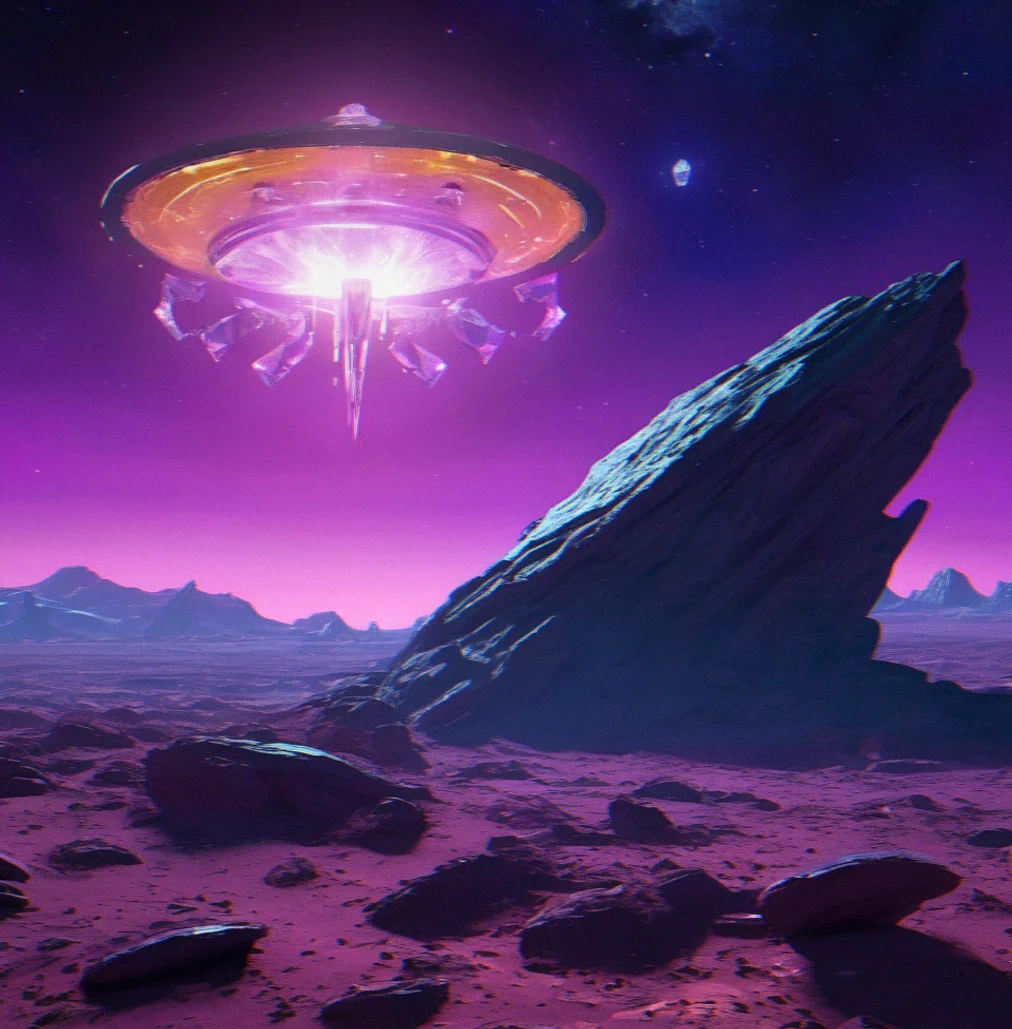
Rare Materials: Quantum Catalysts and Alien Artifacts
Getting a single Quantum Catalyst takes many dozens of hours of dedicated searching. Alien artifacts show up randomly from deep deposits or ancient ruins scattered around — and you absolutely need them if you want the best hull mods. Your jump drive speed, how far your fuel stretches, even how far you can scan, all of it hinges on collecting these.
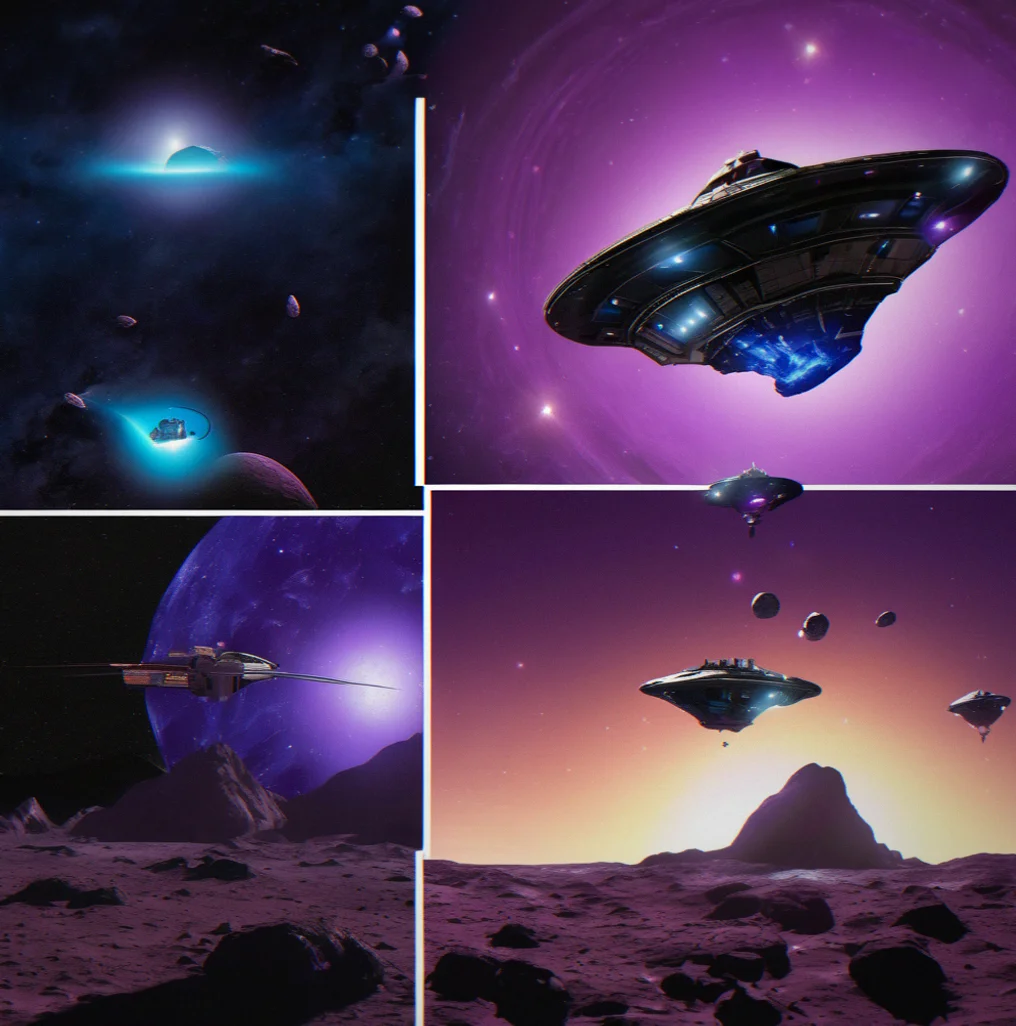
The Hull Upgrade Tree: From Prospect to Atlantis
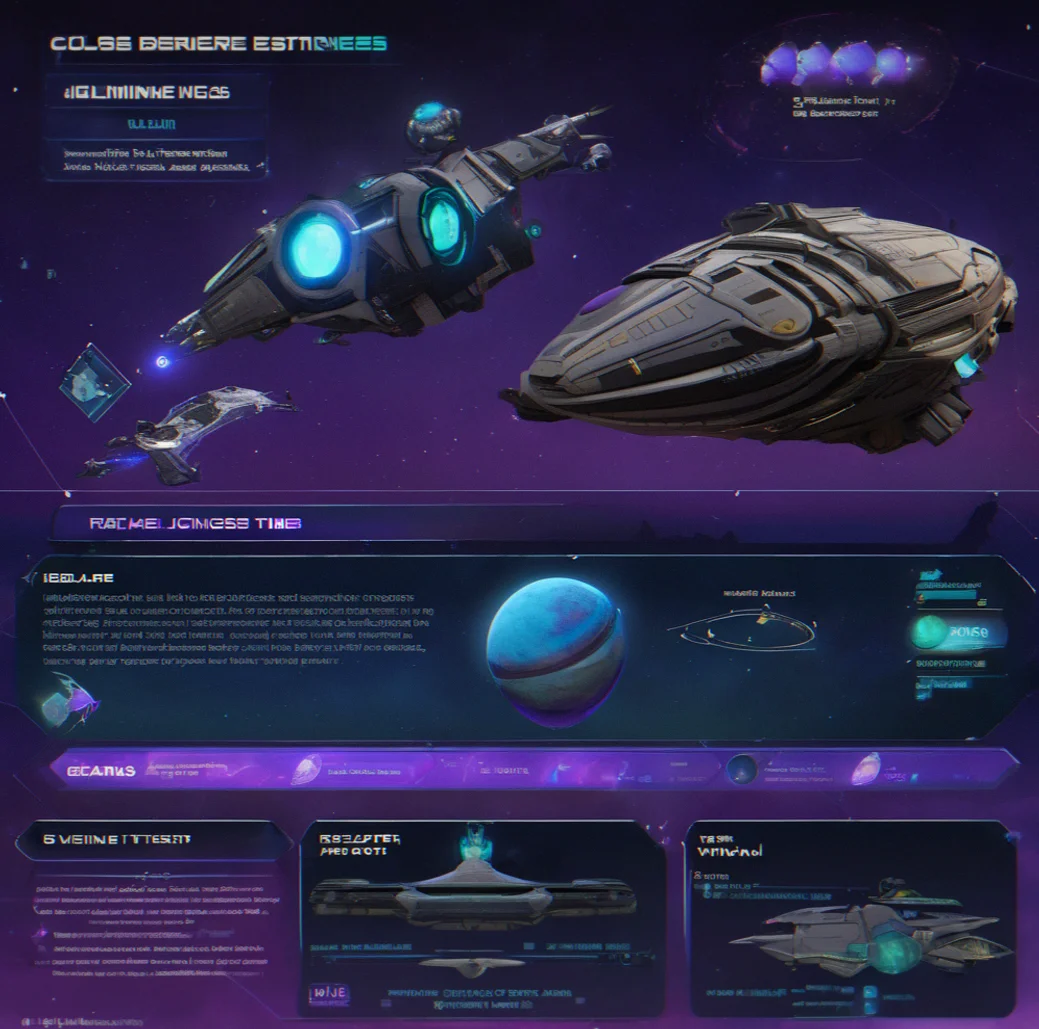
Prospect-class moves to Artemis-class, then Artemis jumps to Atlantis-class. Every step unlocks different planets and cuts down your jump times noticeably. An Atlantis can visit about 14 different environment types. A Prospect? Three. What ship you're flying basically determines which parts of the galaxy are even open to you.
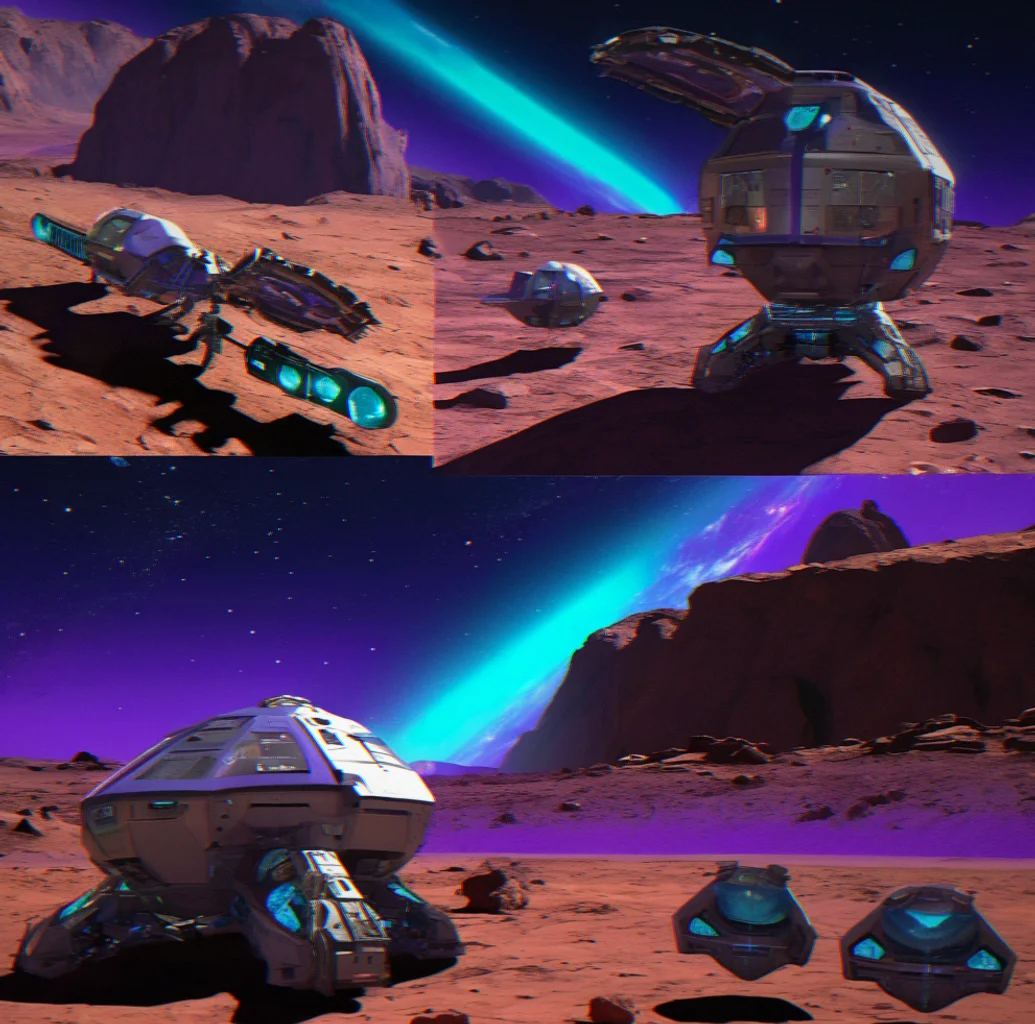
Subsystem Upgrades: Scanners, Fuel Drives, Cargo
Your hull is just the foundation. Upgrade your scanner and suddenly you're picking up resources from 4 kilometers instead of the default range. A better fuel drive cuts your jump time from 12 seconds down to 4. A bigger cargo hold stores more than double what you started with. Each slot you improve stacks on top of the others.
Planetary Types Unlock Progressively
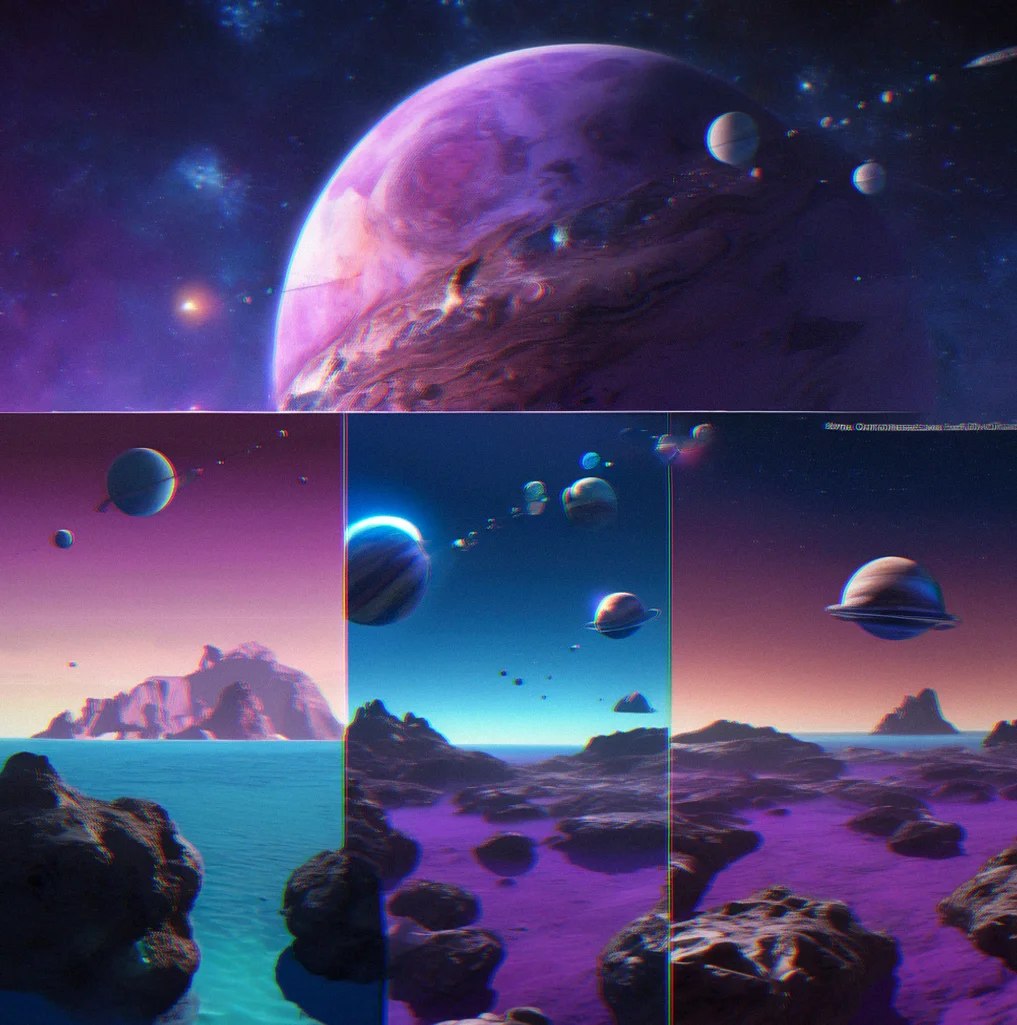
Rocky and ice worlds are available right away. You need mid-tier hull improvements before acidic atmospheres stop melting your suit. Extreme-pressure ocean worlds demand those rare catalysts we talked about. Binary star systems throw unpredictable conditions at you. Every new type you can reach has its own resources and its own upgrade chain.
The Loop at 100+ Hours: Optimization Play
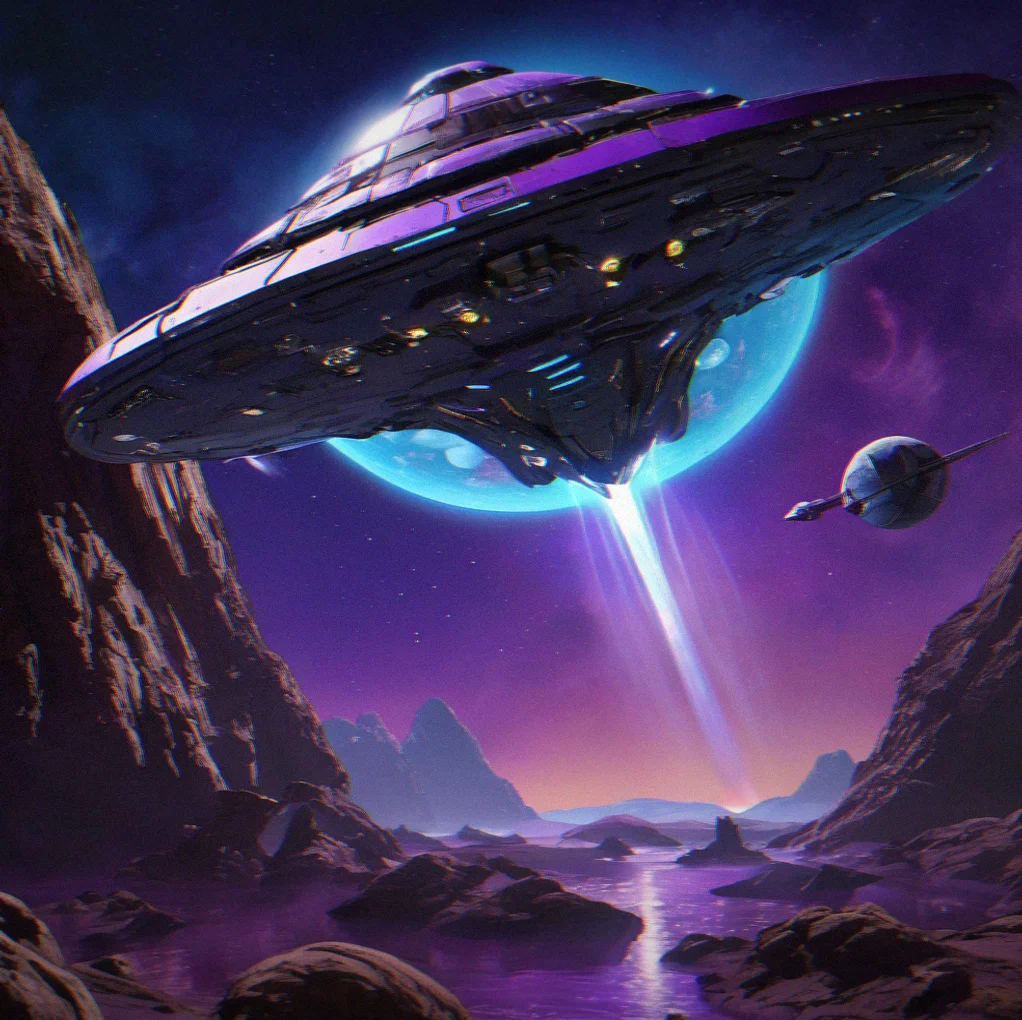
At that point you've worked through all the main unlocks — now the game becomes about fine-tuning. You're building a ship optimized purely for speed, or stockpiling rare stuff for a specific build, or hunting down that one planet rumored to have the best Quantum Catalyst spawns. The focus shifts from discovering what's possible to squeezing out every bit of efficiency.
Resource Management: The Real Currency
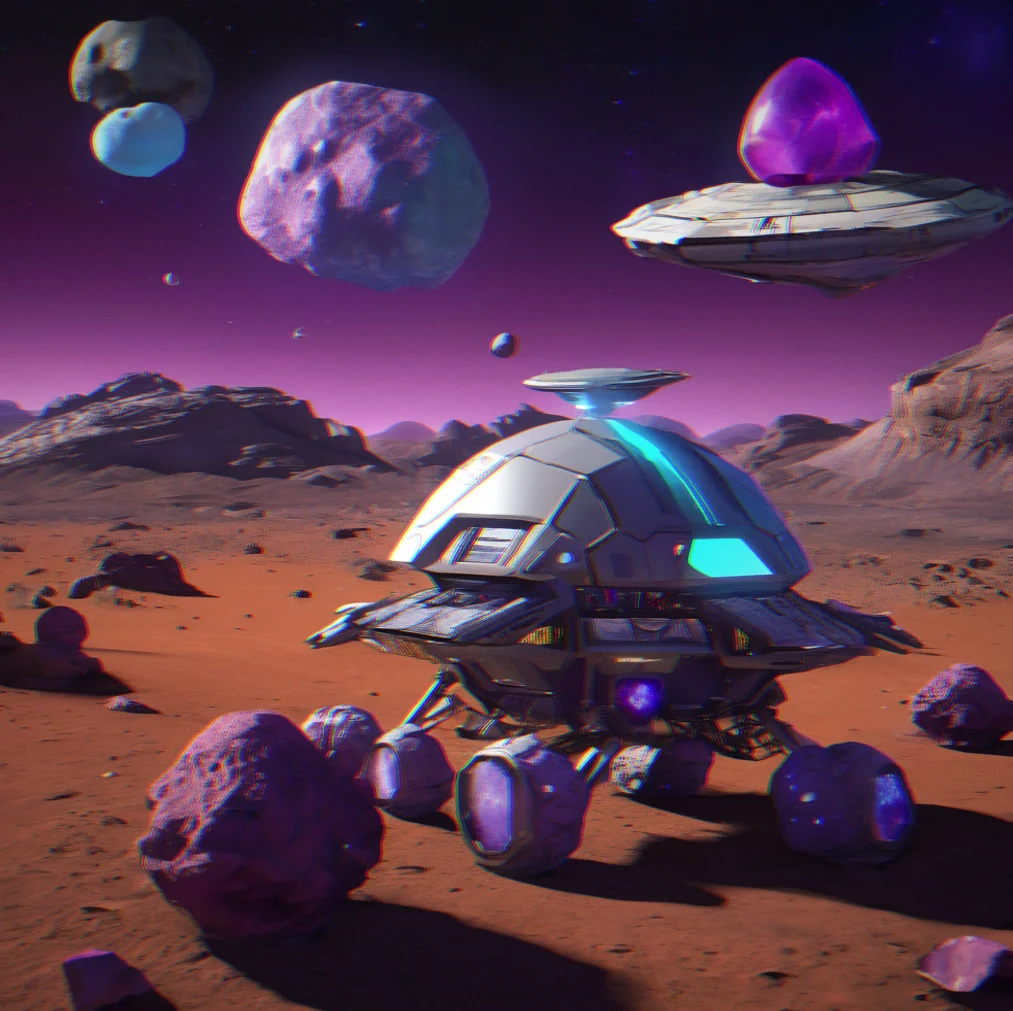
Your cargo hold isn't infinite. A Prospect-class ship maxes out at 180 units, and even when you've unlocked all the upgrades, you're looking at somewhere in the ballpark of 420 units by the time you're halfway through the game. That limitation matters because it forces your hand. Do you take the Titanium deposit right in front of you, or do you push further out to chase down that Quantum Catalyst signal your scanner's been pinging? (Spoiler: both isn't really an option if you want to make it back alive.) The economy isn't just window dressing here—it's what the entire progression system sits on top of. Every single upgrade needs specific materials in exact amounts and the galaxy doesn't distribute them evenly. You'll need 80 Titanium for a hull upgrade but when you actually find Titanium clusters, they're all over the place in terms of what they yield. One node might give you 12 units, another could be worth 40. That randomness means you're not just grinding mindlessly—you're constantly on the hunt for better spawns, better efficiency ratios and slowly figuring out which planet types actually generate which compounds.
Inventory as Strategy
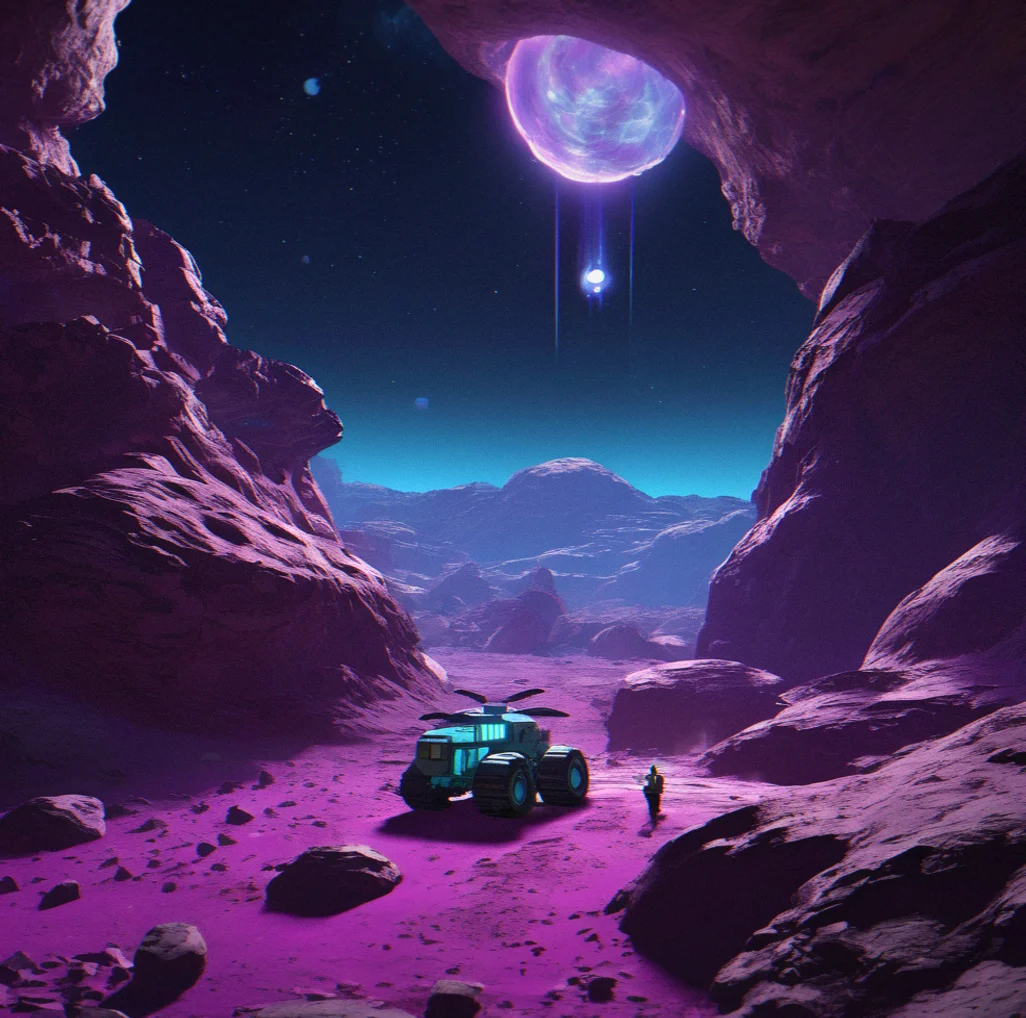
Limited cargo forces you to choose what matters. Do you stock common minerals for immediate upgrades, or risk everything for a rare catalyst that might pay out weeks later?
Material Scarcity Creates Value
Quantum Catalysts aren't something you can farm in bulk. They show up sporadically across billions of planets. That scarcity means every single one you find shapes your upgrade decisions for the next several weeks of play.
Resource Spawns Vary Procedurally
The same planet type generates different deposit sizes on different playthroughs. A Titanium-rich desert might give you 200 units one run, then only 35 the next time around. It keeps grinding from feeling repetitive.
Refining Creates Intermediate Economics
Raw materials can be refibed into higher-value compounds. Take a batch of Iron—refine it and you get 40 units of Steel, which then crafts into components that end up being worth significantly more than what you started with.
Silverorbit in Motion
Tour through 40 billion different worlds.
Total Frames: 9
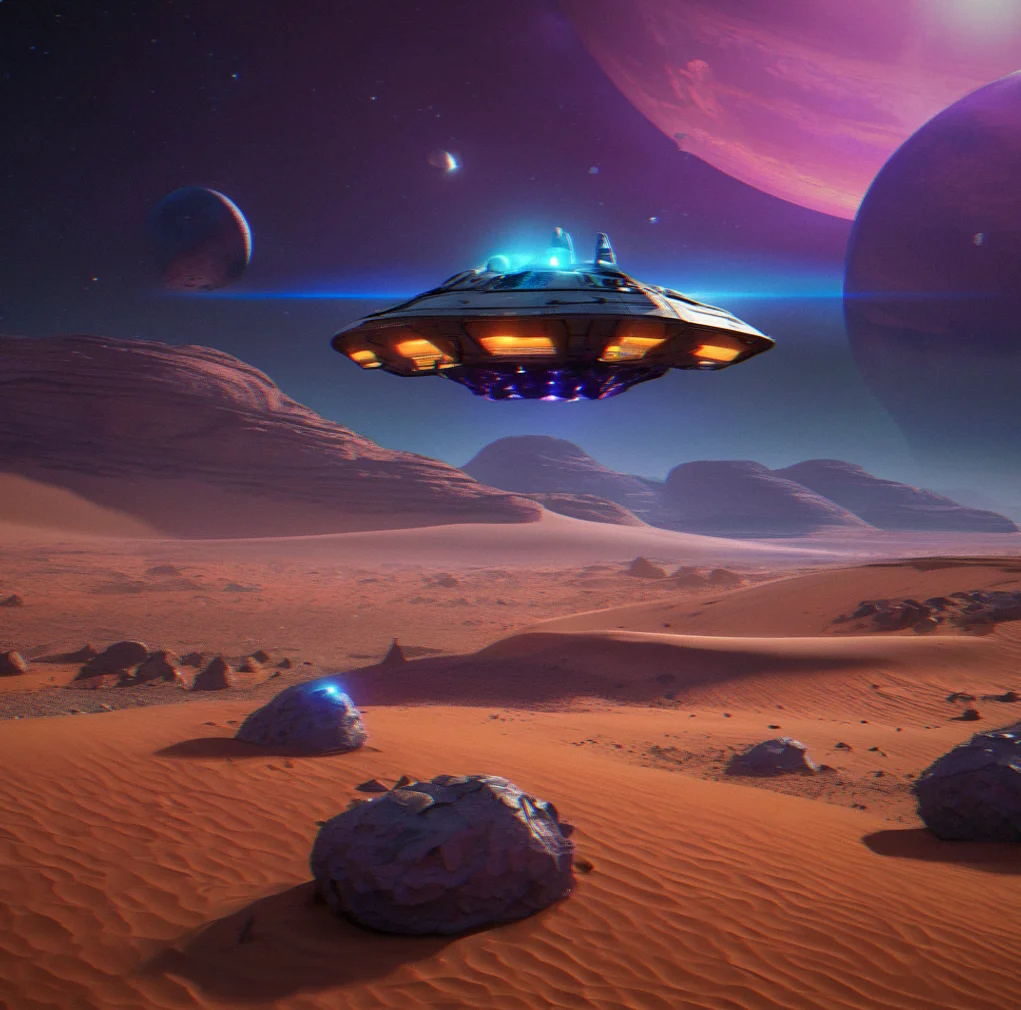

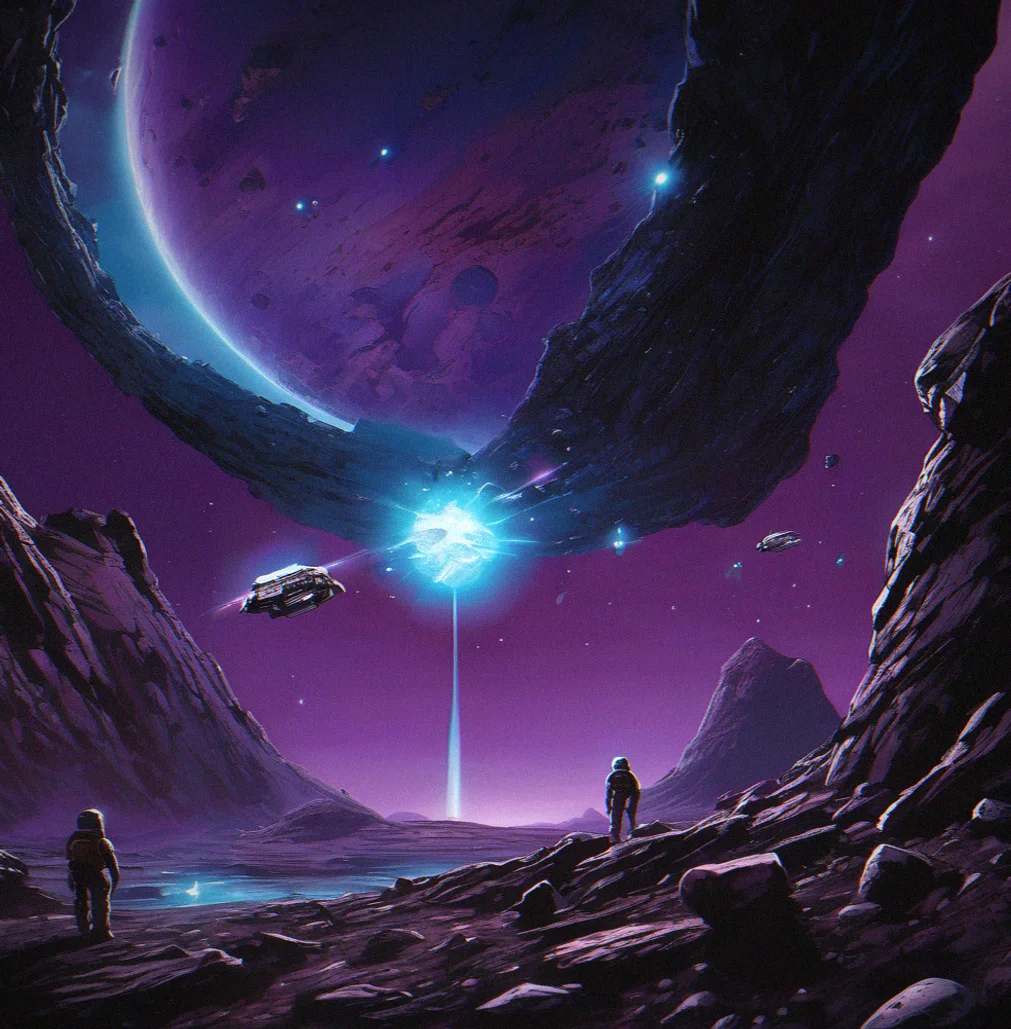
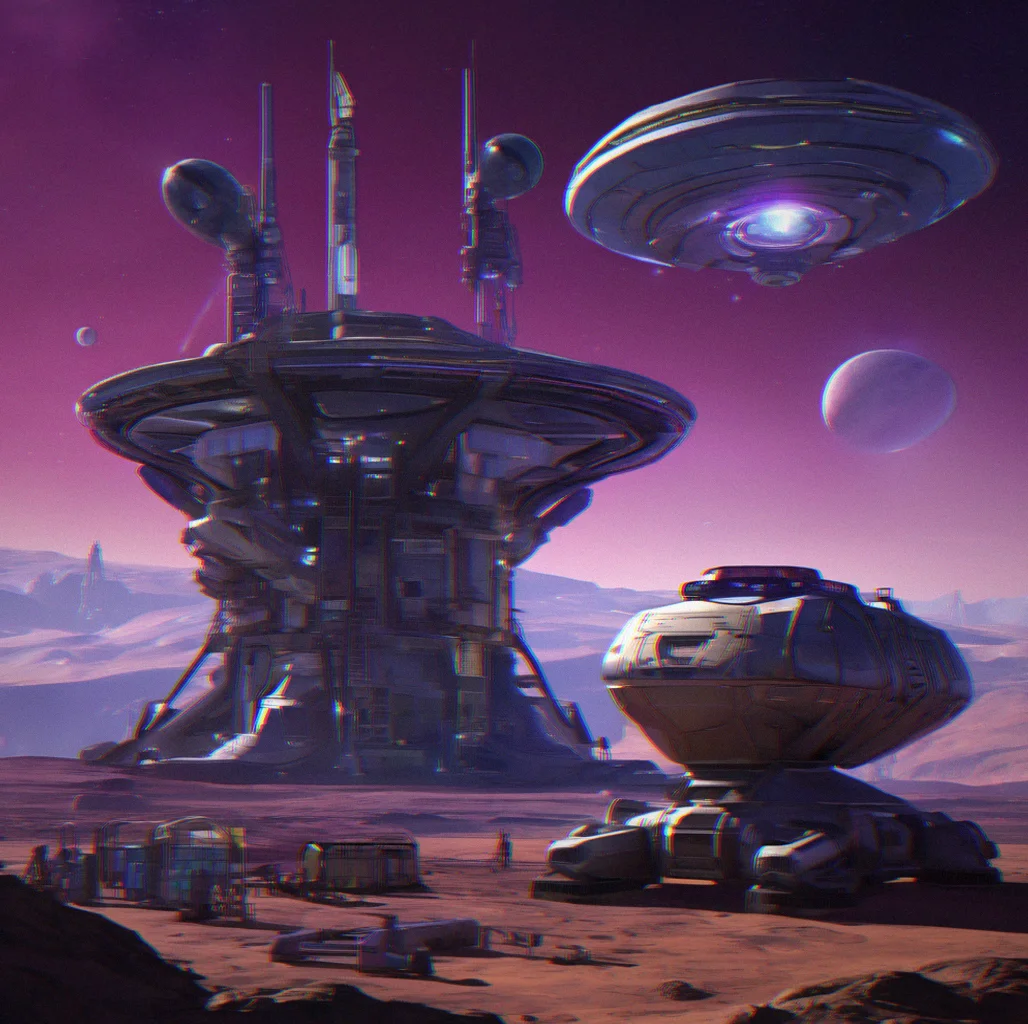
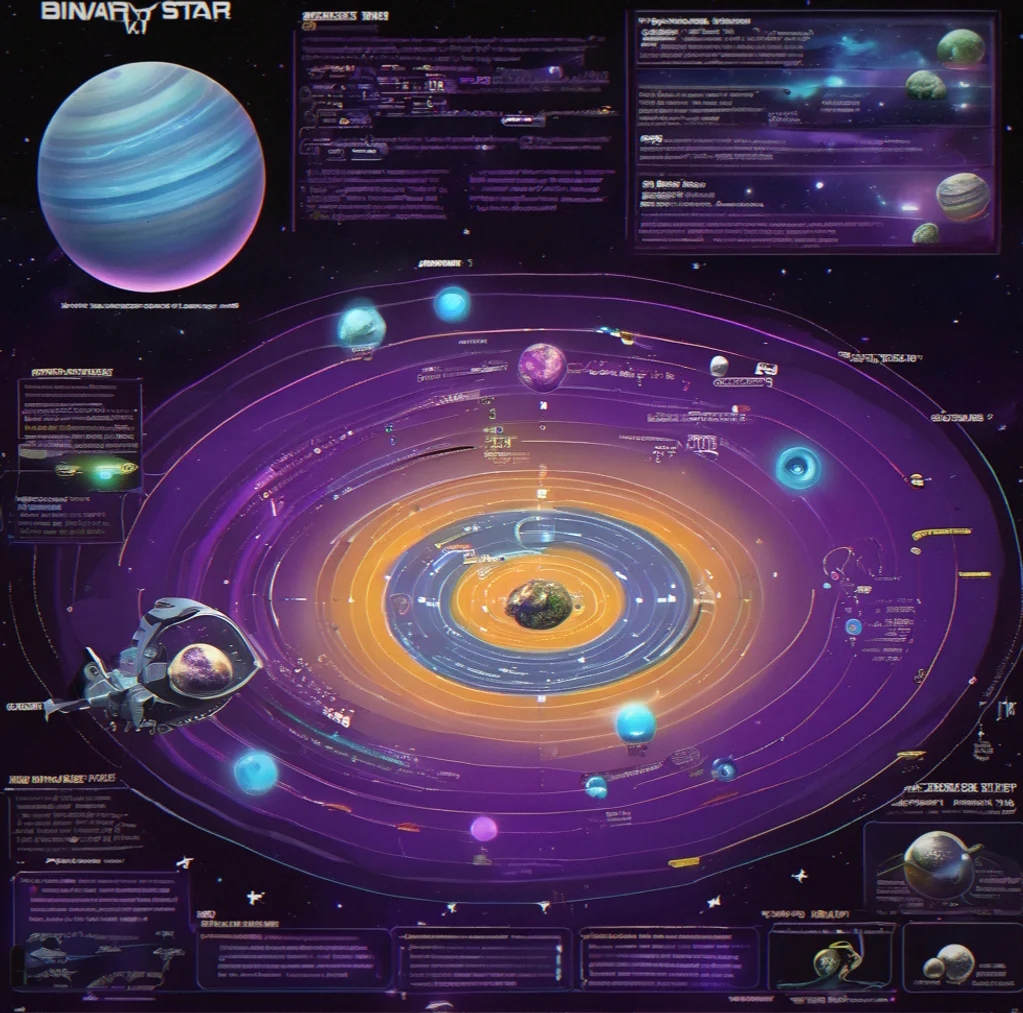
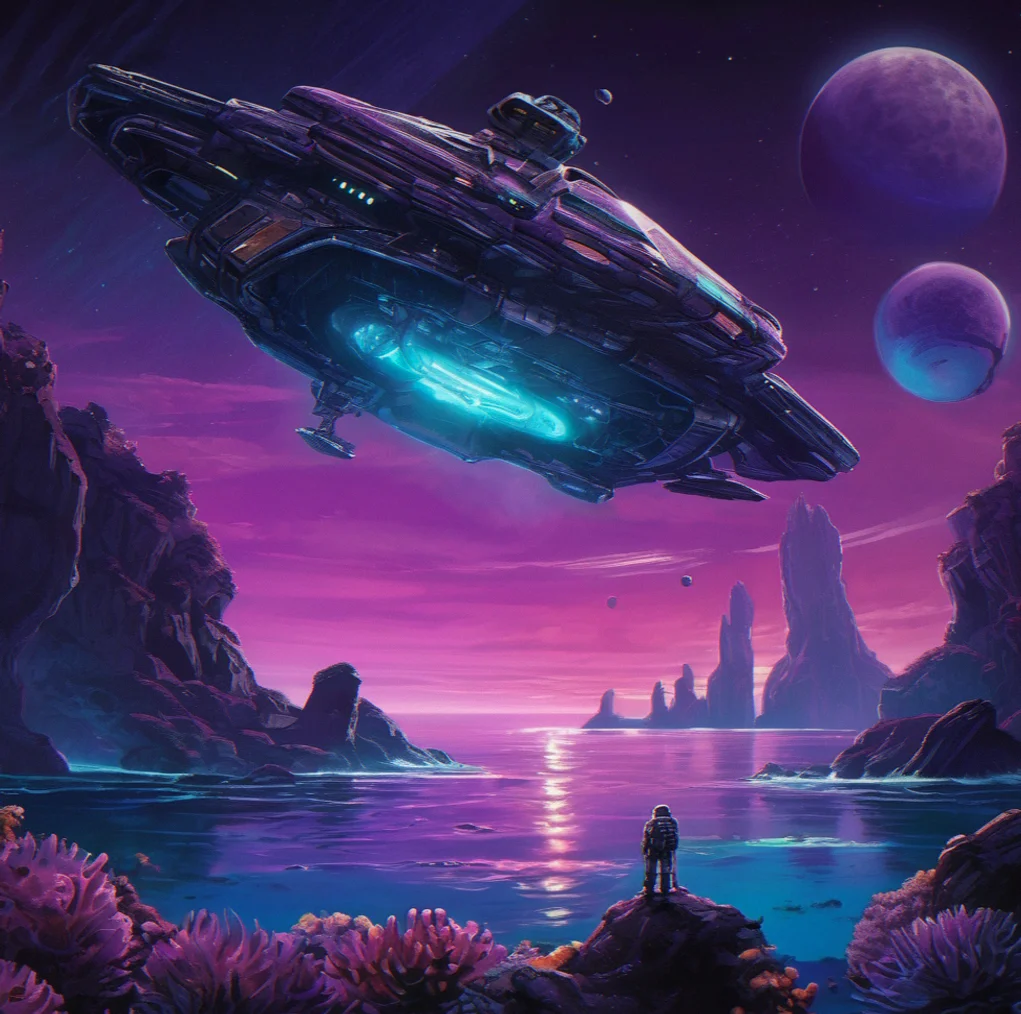
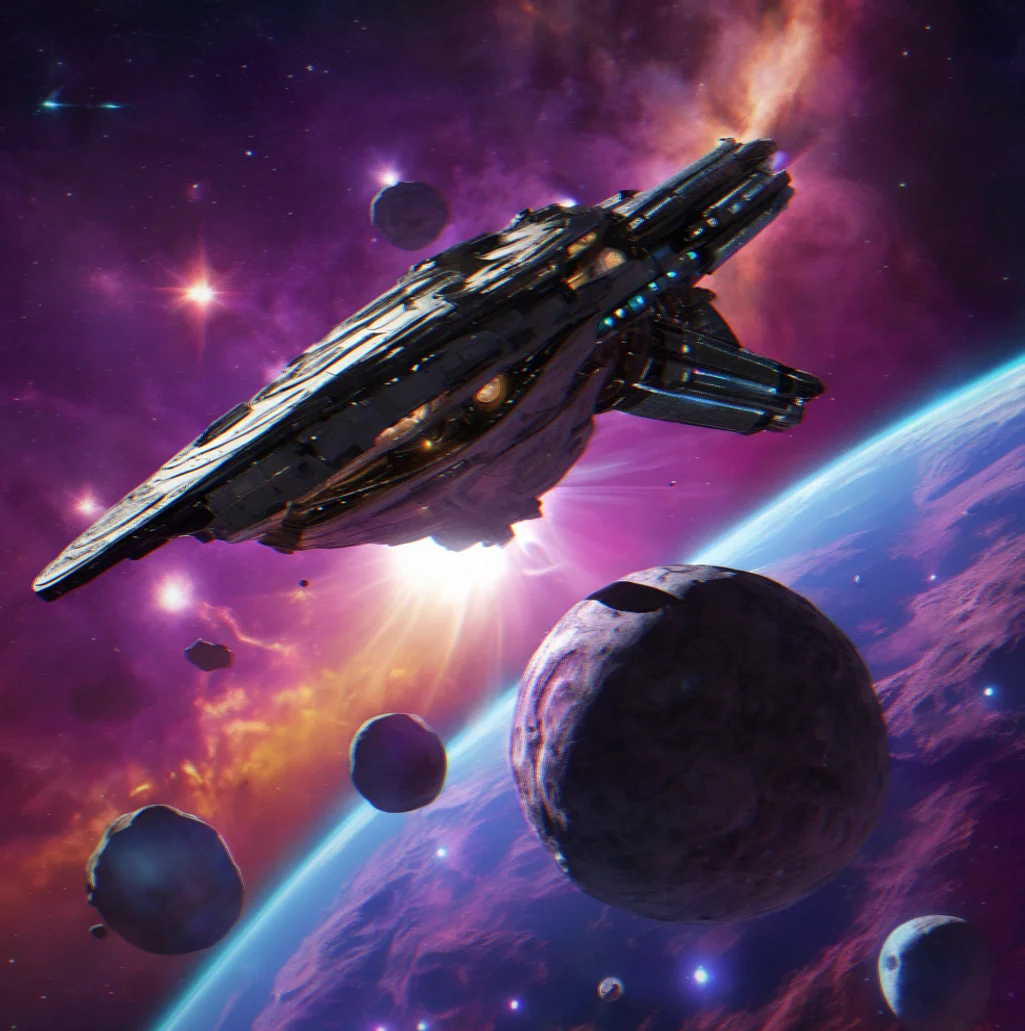
40 Billion Worlds. Eight Core Systems.
How Silverorbit kepes you grinding for 200+ hours.
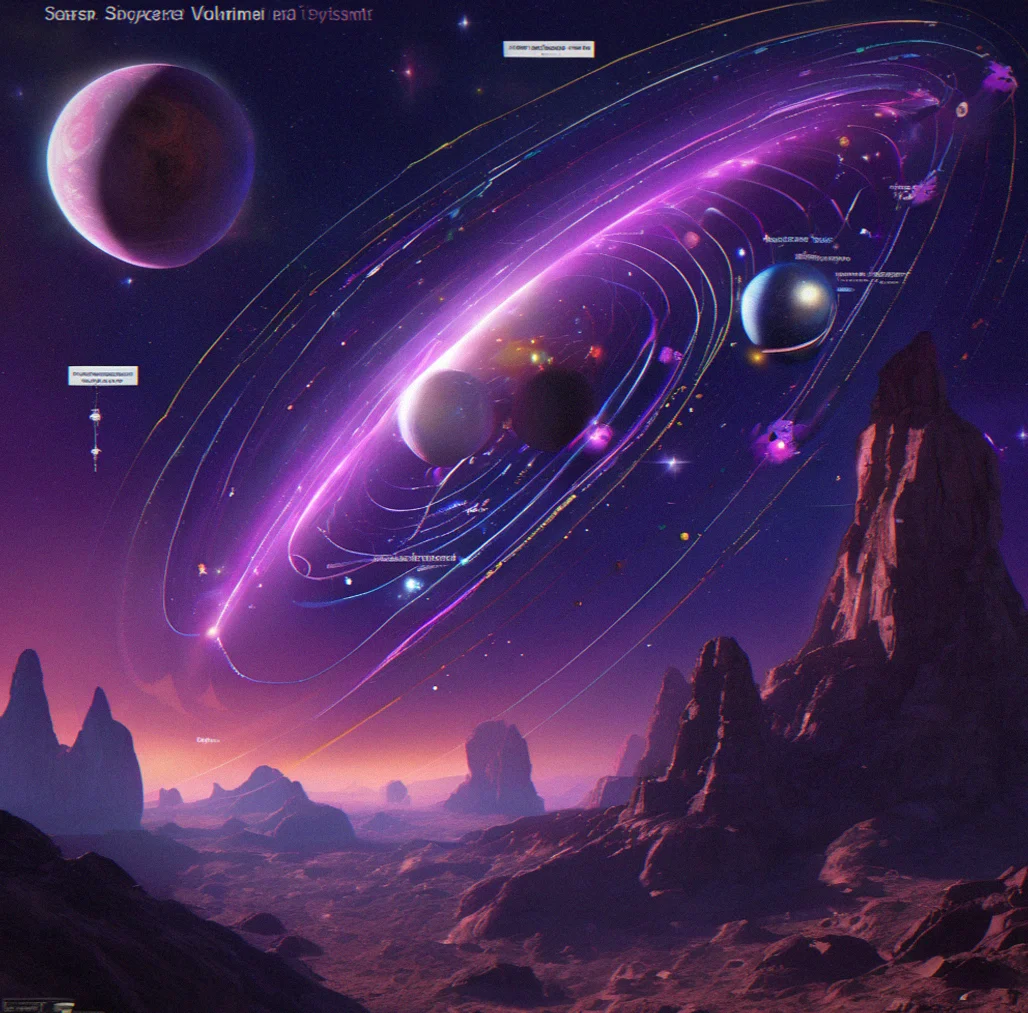
Procedural Generation With Rules
Not random noise. Binary star systems spawn eccentric orbits and rare deposits. Nebula regions yield exotic compounds. Yellow dwarfs are boring but stable. The generation follows patterns you learn to read after around 20 hours, which then makes discovering rule-breakers actually exciting.
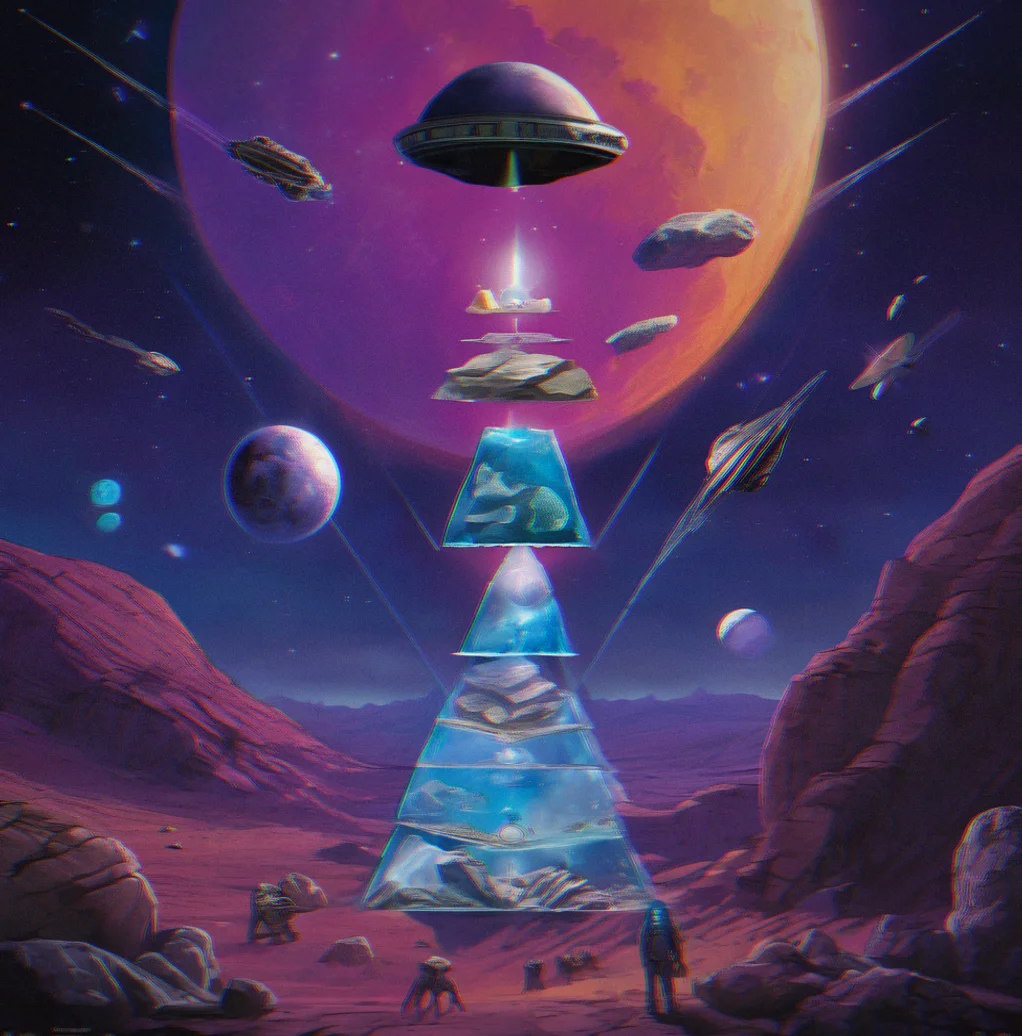
Three Distinct Resource Tiers
Common minerals like Copper and Iron show up everywhere. Mid-tier compounds—Titanium, Lithium—need hazmat gear or specific planets to find. Then there's the rare stuff: Quantum Catalysts, Alien artifacts. They scatter across those 40 billion worlds sporadically. Each tier gates new exploration zones, so grinding common materials funds your way into mid-tier zones, which then yields the rare materials.
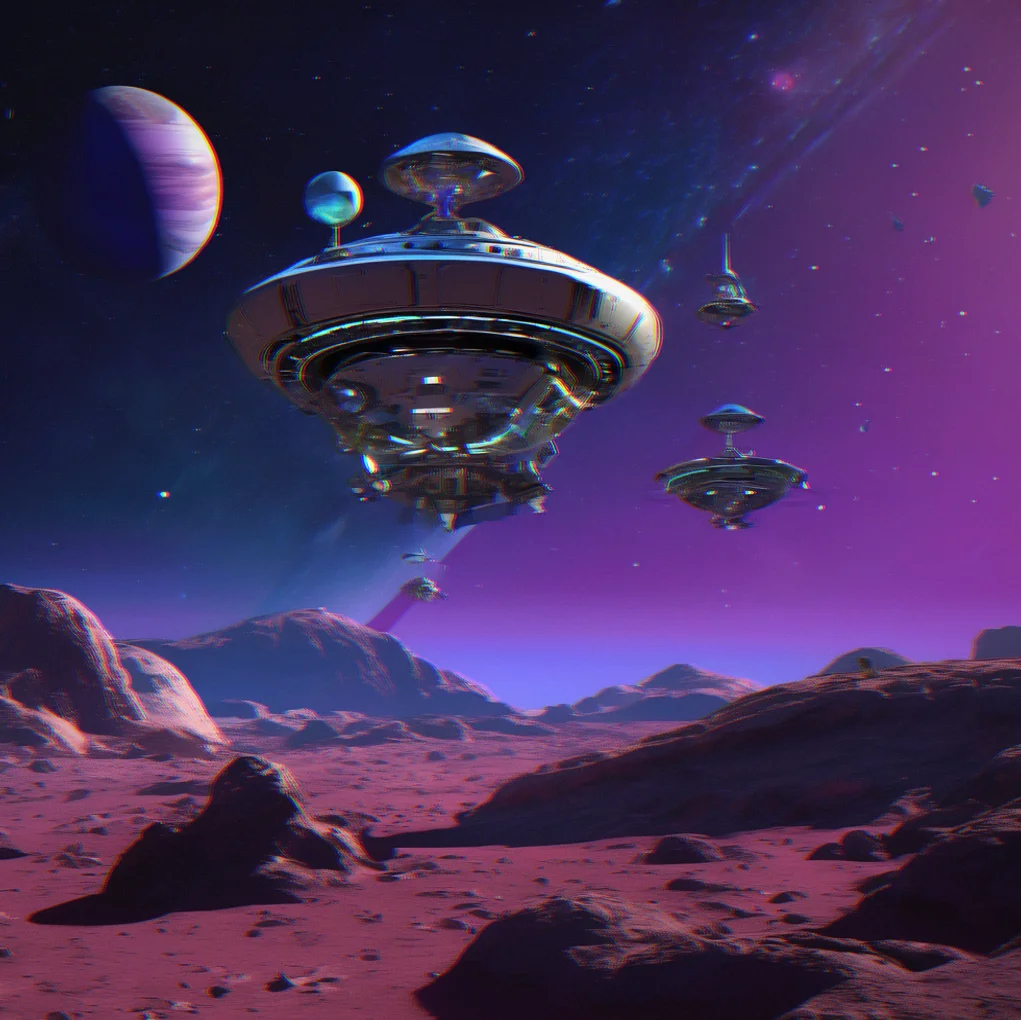
Ship Upgrades That Unlock Worlds
Prospect-class handles a few planet types. Artemis-class opens up more. Atlantis-class gets you into about 14 different environments. Every hull upgrade directly expands where you can actually go, so progression isn't just about looking cooler—it's about geography.
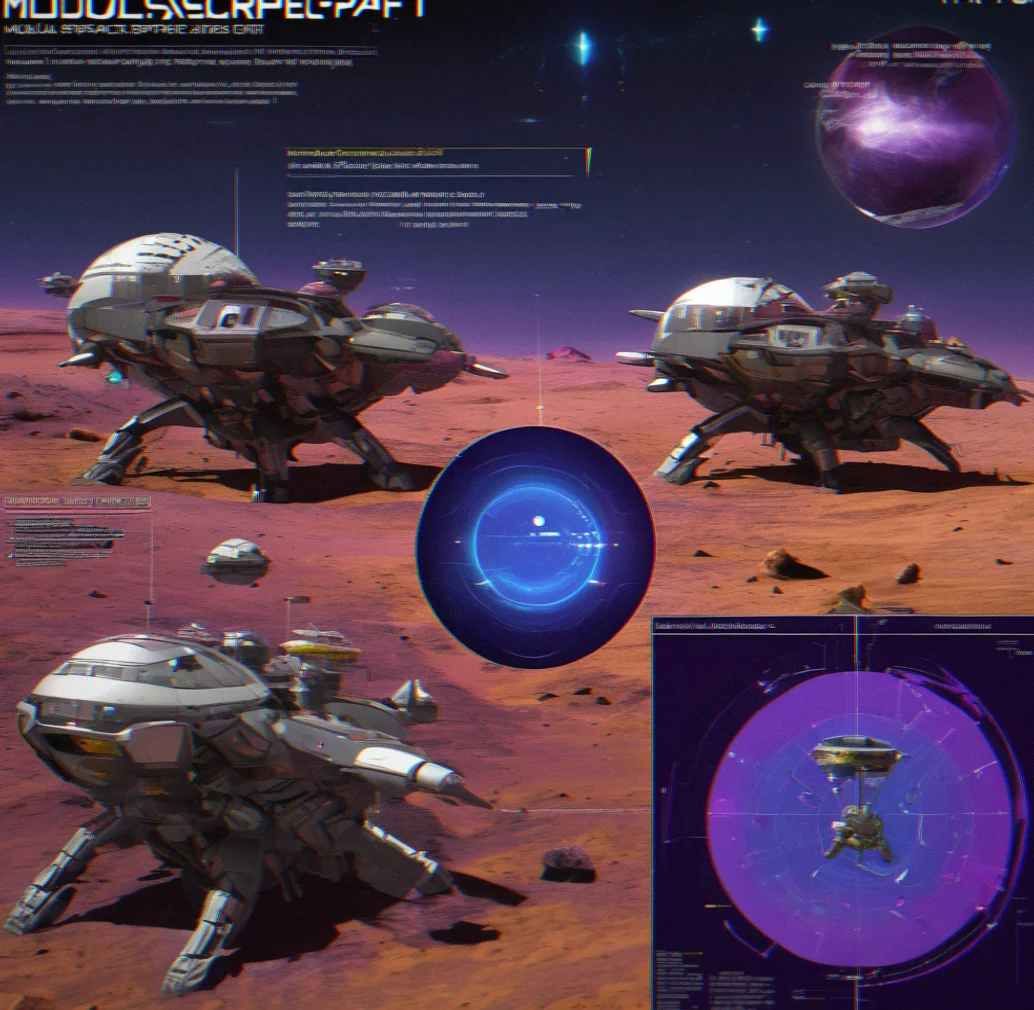
Subsystem Customization
The hull matters, sure. But everything else does too. A scanner that reaches just under 4km instead of around 2.4km reveals deposits way faster. Fuel drives cutting jump times from 12 seconds down to 4 saves you enormous stretches of time. Cargo holds that scale from under 200 units all the way to over 400. Every module compounds your capability in ways you can actually measure and you get to pick the setup that fits how you actually play.
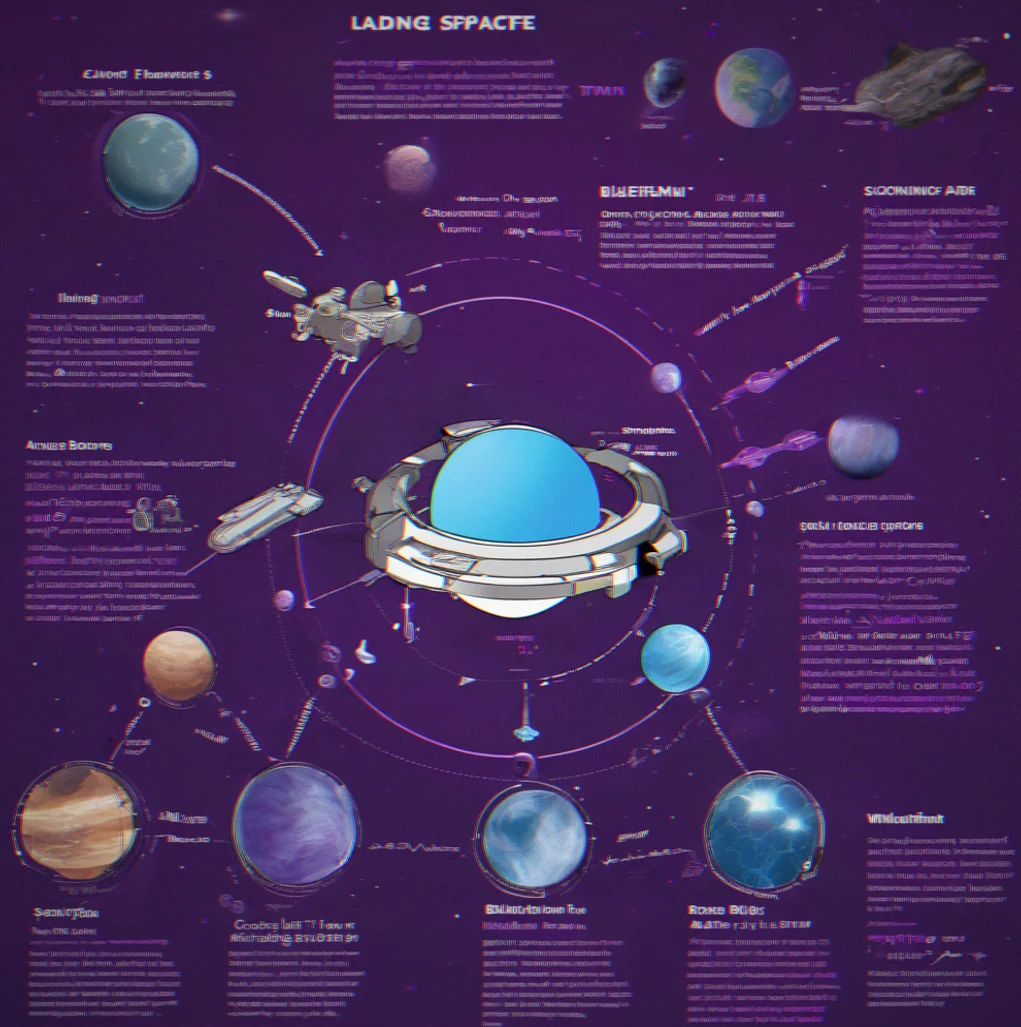
Discovery Loops That Stack
Land, scan, harvest, refine, upgrade, repeat. The loop compounds because your upgraded ship reaches new zones, which contain new resource types, wbich fund better upgrades, which opens even newer zones. At 40 hours you're visiting maybe half a dozen planet types. By 120 hours, you're hitting 14 or more. It accelerates.
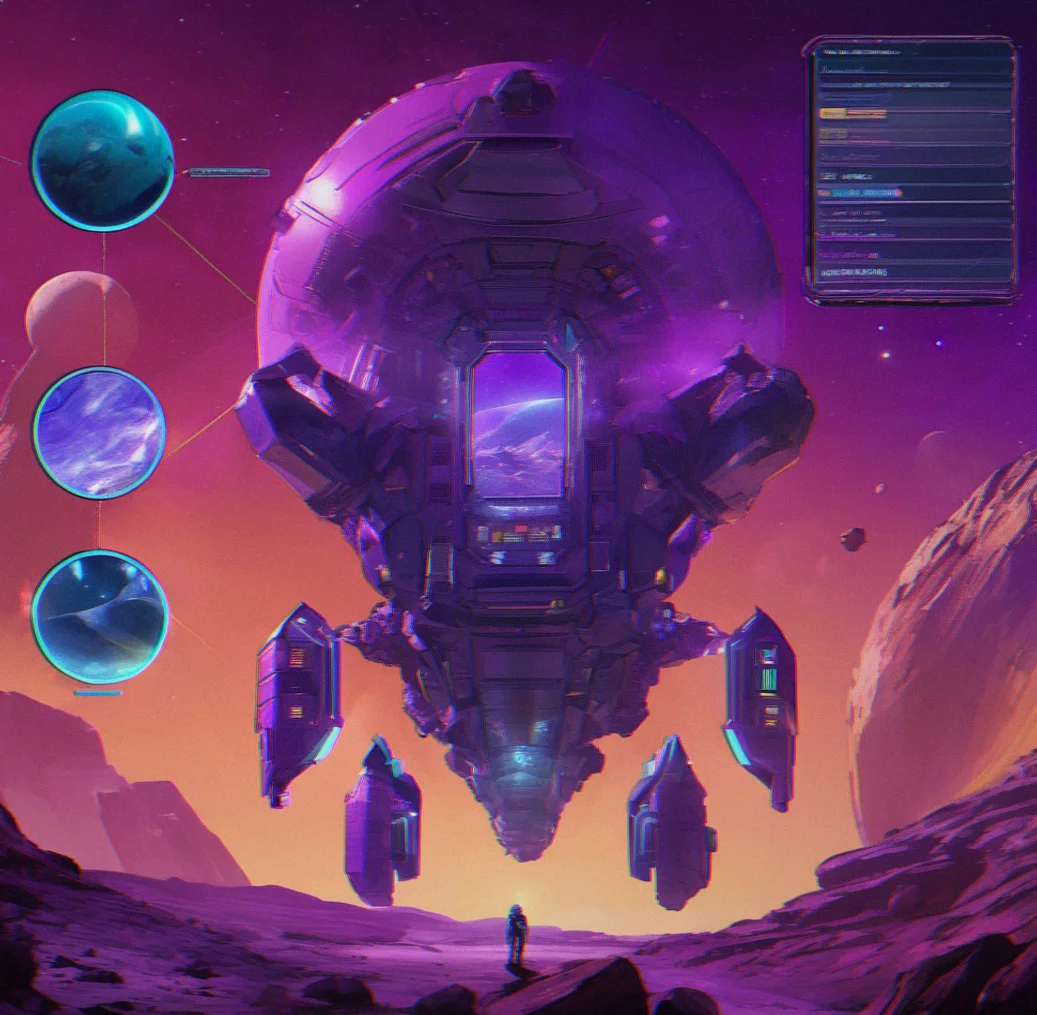
Inventory Management as Mechanic
Your cargo hold has a limit. Starter ships cap out under 200 units. Even late-game, you're looking at ceilings somewhere in the 400s. That constraint forces real decisions: do you grab high-value Titanium or chase the rare catalyst signal? Grinding isn't mindless because you can't carry everything back in one run and some runs pay out way better than others depending on how dense the resource nodes are.

No Combat Requirements
Weapons exist. Alien fauna exist. You can fight or skip it entirely. Most people never fire a shot. The game's cool with peaceful exploration, so if combat systems aren't your thing, you won't run into a wall that forces it.
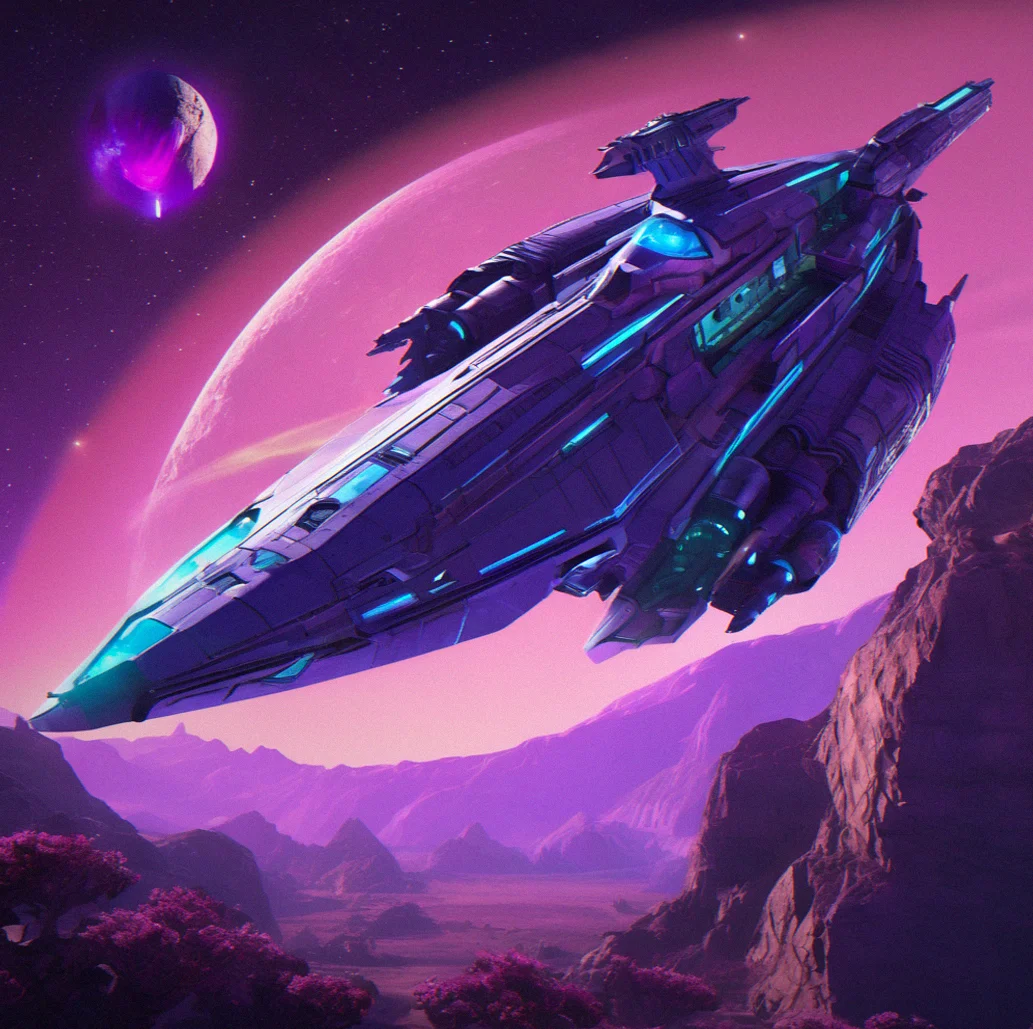
Persistent Progress Forever
Your ship, your discoveries, your resource stockpile—none of it goes away. No seasonal resets. No battle pass cycles. Come back 6 months later and your Atlantis-class explorer is sitting exactly where you left it, fully upgraded, ready to push into new systems.
COMMON QUESTIONS
Asked and Answered
Questions from people actually trying to figure out if Silverorbit matches how they like to play. No fluff, just the real details about what the game does.
Prospect-class to Artemis-class runs 30 to 40 hours if you're actively exploring and gathering. Jump from Artemis to Atlantis and you're looking at another 50 to 70 hours. That's assuming you move between systems instead of camping one planet. Speedrunners cut it down. People playing casually stretch it out.
No. Download and play for free, completely. Cosmetics are there—ship skins, suit colors—but they're just looks. There's an optional expansion pack with new ship models and customization stuff, but the actual progression path stays the same. Resources, upgrades, exploration. All time-based.
There isn't one. Silverorbit loops. You pick what matters to you: map 50 systems, fully kit out an Atlantis-class, collect every rare material, or just drift around. Needs story beats and boss fights? This game isn't it and that's okay.
Mobile is where this game lives. iOS 14 and up, Android 10 and up, built for touch and controllers. Play for half an hour or five hours—the loop scales. Battery life is soild on newer phones, around 5 to 6 hours straight before it starts draining hard. Nothing's missing on a phone.
You could but the game doesn't want that. Resource nodes respawn but drops vary wildly—might get 40 units, might get 12. Most people enjoy moving to new systems more than farming one spot. The procedural generation throws enough stuff at you that optimization (loadout tweaking, chasing specific rare spawns) becomes the real grind once you hit a hundred-plus hours.
Cloud saves handle it. Progress syncs automatically as long as you're online. Get a new device, log in, and your fully-upgraded Atlantis-class is there waiting. Save files are tiny—under 50MB even after 150-plus hours.
Not in this version. Everyone gets their own procedurally-generated galaxy. Multiplayer features like shared discoveries and cooperative exploration are in the plans but not here yet. Right now it's single-player.
No permanent loss. Run out of oxygen and your ship pulls you back up automatically. Stuck on a hostile planet and you respawn at your last safe spot with everything intact. The game lets you explore without the fear. Some people find that dull, which is fair—if you want survival pressure and resource penalties, this isn't the fit.
Report Issues. Ask Questions.
Something broken? Found a resource method that works? Not sure how the tier system actually works? Send it over and we'll respond. Most replies come back within a couple days.